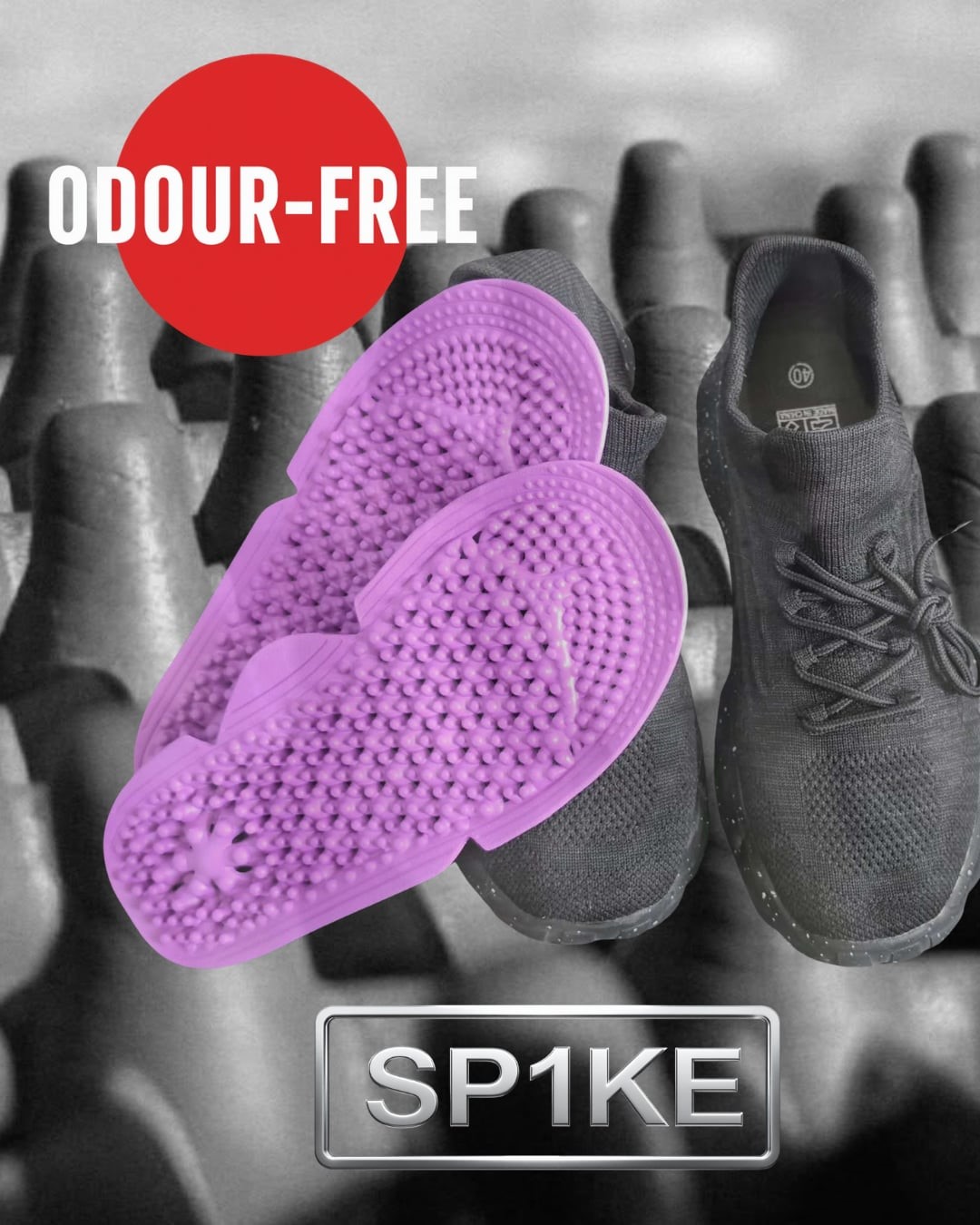
Foot odor is common.
Long shifts make it worse.
Sweat, heat, and trapped moisture create bacteria growth.
Many insoles claim odor control.
Few address the root cause.
This guide explains why insoles smell, how odor develops, and why closed-cell waterproof insoles offer a longer-lasting solution.
It also explains how durable support may reduce fatigue and lower back strain.
Why Do Insoles Develop Odor?
Feet sweat throughout the day.
Sweat itself does not smell.
Odor develops when bacteria break down moisture.
When moisture becomes trapped:
- Bacteria multiply
- Materials absorb sweat
- Odor builds over time
Open-cell foam is especially vulnerable.
Open-Cell Foam and Moisture Absorption
Most traditional insoles use open-cell foam.
Open-cell foam contains tiny air pockets.
These pockets:
- Absorb sweat
- Trap moisture
- Hold bacteria
- Break down faster
Even if the surface feels dry, moisture may remain inside.
This leads to persistent odor.
Why Odor Is More Than Just a Smell Problem
Odor often signals:
- Moisture retention
- Bacterial growth
- Material breakdown
As foam breaks down, structure collapses.
Collapsed support changes alignment.
Alignment changes increase fatigue.
Fatigue may contribute to:
- Heel discomfort
- Arch strain
- Lower back tension
For deeper understanding, read:
Our Complete Guide to Foot Pain
Foot health and posture are connected.
The Difference Between Odor Neutralizing and Odor Preventing
Some insoles include odor-neutralizing layers.
For example, Dr. Scholl’s Odour Destroyers® feature:
- Activated charcoal
- Baking soda
- Cushioning foam
Brand link:
https://www.drscholls.ca/en/
Charcoal and baking soda help absorb and neutralize odor.
However, the foam layer still absorbs moisture.
Over time, trapped moisture may remain.
Neutralizing odor is different from preventing moisture absorption.
Closed-Cell Foam: The Key to Truly Odor-Free Insoles
Closed-cell foam works differently.
It does not absorb water.
It resists:
- Sweat
- Moisture
- Mold
- Mildew
Closed-cell material prevents internal moisture buildup.
Without moisture retention, odor potential decreases significantly.
How SP1KE™ Insoles Stay Odor Free
SP1KE™ insoles are made from closed-cell waterproof foam.
They are developed by Vigurus Technologies Inc..
Unlike open-cell foam, SP1KE™ does not absorb sweat.
Key features include:
- Waterproof structure
- Non-skid surface
- Washable material
- Odor resistance
- High durability
Learn more about SP1KE™
Learn more about our SP1KE™ engineering
Because they do not trap moisture, odor does not accumulate inside.
Why Durability Matters for Long Shifts
Insoles used on concrete floors face high compression.
As foam compresses:
- Support decreases
- Alignment shifts
- Shock increases
Shock travels upward through the kinetic chain.
This may increase lower back strain.
For workers on hard surfaces, read:
Standing All Day With Foot Pain
Durable structure maintains consistent alignment.
How Odor-Free Insoles Support Whole-Body Comfort
Odor resistance alone is not enough.
Support must remain stable.
SP1KE™ insoles combine:
- Closed-cell waterproof foam
- Progressive structural support
- Sensory activation
This may support:
- Improved posture
- Better shock absorption
- Reduced fatigue
- Enhanced balance
Reducing fatigue may reduce compensatory posture.
Compensatory posture often affects the lower back.
Active Shock Absorption
SP1KE™ uses a dynamic Tips & Mesh structure.
Each tip narrows at the top and widens toward the base.
This creates progressive resistance.
As weight increases, resistance increases.
This moderates shock from hard floors.
Reduced shock may reduce strain on:
- Knees
- Hips
- Lumbar spine
Sensory Feedback and Balance
SP1KE™ insoles include flexible massaging tips.
These tips stimulate nerve endings in the sole.
This may improve proprioception.
Proprioception supports balance awareness.
Improved stability may reduce compensatory muscle strain.
Stable gait supports spinal alignment.
Why Odor Prevention Supports Hygiene
Closed-cell foam does not trap moisture.
Reduced moisture means:
- Less bacterial growth
- Faster drying
- Easier cleaning
- Reduced mold risk
SP1KE™ insoles are washable.
This supports long-term hygiene.
They are also surface-friendly and non-skid.
Portability allows easy transfer between shoes.
Who Needs Odor-Free Insoles?
Odor-free insoles benefit:
- Nurses
- Retail workers
- Warehouse staff
- Construction workers
- Athletes
- Anyone wearing work boots daily
Long shifts increase sweat production.
Moisture control becomes essential.
Lower Back Pain and Material Breakdown
When insoles break down:
- Shock increases
- Alignment shifts
- Fatigue builds
Fatigue alters posture.
Posture changes strain the lumbar region.
Durable insoles maintain structural consistency.
Structural consistency supports spinal balance.
Foam vs Closed-Cell Foam: Summary Comparison
| Feature | Open-Cell Foam | Closed-Cell Foam (SP1KE™) |
| Absorbs Moisture | Yes | No |
| Traps Odor | Over time | Minimal |
| Washable | Limited | Yes |
| Mold Resistant | No | Yes |
| Structural Durability | Moderate | High |
Odor resistance begins with material choice.
Frequently Asked Questions
What causes insole odor?
Moisture trapped in foam promotes bacterial growth.
Are odor-neutralizing insoles enough?
They help temporarily but may not prevent moisture absorption.
What makes an insole truly odor-free?
Closed-cell waterproof material that does not absorb sweat.
Do odor-free insoles last longer?
Durable materials typically resist breakdown longer.
Can insoles help lower back pain?
They may reduce mechanical strain through better shock absorption and alignment.
Final Thoughts
Odor-free insoles begin with material science.
Preventing moisture absorption reduces odor risk at the source.
Durable, waterproof, closed-cell foam offers structural and hygienic advantages.
SP1KE™ combines odor resistance with shock moderation and alignment support.
Understanding how material affects comfort and posture is a practical step toward healthier daily wear.