Causes, Conditions, and How Better Support Can Improve Daily Comfort
Foot pain changes how you move, work, and live.
Yet many people ignore it until pain becomes chronic.
Foot discomfort is not “normal.”
It is often a sign of pressure imbalance or support issues.
Understanding foot pain is the first step toward comfort and better mobility.
Why Foot Pain Should Never Be Ignored
Your feet carry you through thousands of steps each day.
When they hurt, everything else aches.
Pain in the feet can also affect the knees, hips, and back.
Ignoring foot pain allows small problems to become larger ones.
Foot Pain Is Often Caused by Pressure Imbalance
Foot pain usually reflects pressure that is not evenly distributed.
Foot structure and movement must adapt to pressure throughout the gait cycle.
When pressure is trapped in one area, tissues fatigue faster.
Over time, pain becomes persistent rather than occasional.
Why Insoles Matter More Than Shoes Alone
Shoes protect your feet from the ground.
But insoles help your feet function better inside shoes.
The right insole redistributes pressure, improves alignment, and supports movement.
The wrong insole can worsen pain by encouraging poor pressure patterns.
A Quick Look at Foot Anatomy
Each foot contains:
- 26 bones
- 33 joints
- More than 100 muscles, tendons, and ligaments
The foot is built to adapt to surfaces.
Support should enhance the foot’s natural structure, not restrict it.
How the Foot Manages Load
When you walk or stand:
- Weight enters through the heel
- Moves across the arch
- Exits through the forefoot
In healthy function, pressure is spread evenly.
Pain begins when load concentrates in one area.
Common Types of Foot Pain
Foot pain appears in many forms.
Each type can come from different causes and requires different support needs.
Heel Pain
Heel pain is one of the most frequent foot complaints.
It may be linked to plantar fascia irritation or thinning heel fat pads.
According to Cleveland Clinic, plantar fasciitis is a common cause of heel pain.
Symptoms often feel worse in the first steps of the day.
Arch Pain
Pain under the arch can feel sharp or dull.
It may signal overpronation or inadequate arch support.
Arch pain often increases with prolonged standing or walking.
Ball-of-Foot Pain (Metatarsalgia)
This pain occurs under the forefoot.
It can feel burning or sharp during movement.
Causes include high pressure, thin cushioning, or poor weight transfer.
Toe Pain and Numbness
Toe pain may involve nerve compression or circulation issues.
Numbness is a sign that pressure needs attention.
Plantar Fasciitis Explained Simply
Plantar fasciitis involves irritation of the plantar fascia.
This band supports the arch and helps absorb force when you walk.
Repeated stress can cause micro-tears and inflammation.
This leads to pain at the heel or along the arch.
How Foot Pain Affects the Whole Body
Foot pain changes how you walk.
This compensation affects:
- Knees
- Hips
- Lower back
Pain travels upward when the foundation is unstable.
Why Surfaces Matter
Standing and walking on hard, flat surfaces increase force impact.
Work environments like concrete floors make discomfort worse.
Support surfaces should absorb and redirect pressure.
This helps reduce fatigue and tissue stress.
The Role of Insoles in Foot Health
Insoles are not shoe accessories.
They are functional support tools.
A good insole helps:
- Distribute pressure
- Improve alignment
- Reduce muscle fatigue
- Encourage healthy gait patterns
Not all insoles work the same way.
Why Many Insoles Fail to Help Foot Pain
Many insoles use soft foam.
When foam compresses:
- Support disappears
- Pressure points form
- Comfort fades quickly
Soft foam often traps pressure instead of managing it.
Gel Insoles: Comfort Without Structural Support
Gel insoles feel comfortable at first.
Over time, gel spreads out under load.
This reduces structural support and increases peak pressure areas.
Rigid Orthotics: Support Without Adaptation
Rigid devices may control motion.
But they rarely adapt to movement dynamics throughout the day.
Rigid insoles do not respond to changing body forces during walking.
What Insoles Must Do to Truly Help
Effective insoles should:
- Reduce peak pressure
- Adapt to movement
- Maintain structure under load
This requires engineering, not just padding.
Introducing SP1KE™ Insole Technology
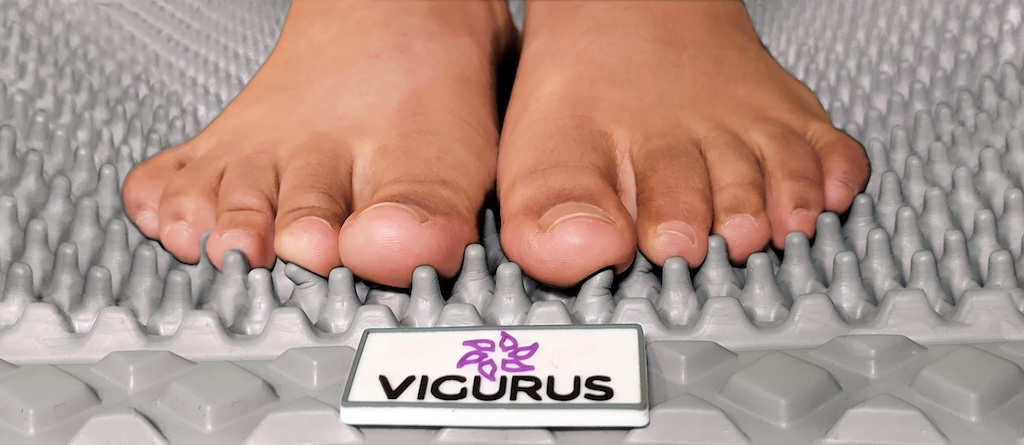
SP1KE™ insoles use Tips & Mesh technology that is engineered to redistribute pressure across the surface dynamic grid.
This differs fundamentally from foam, gel, or rigid orthotics by maintaining structure under load and responding to movement.
How SP1KE™ Insoles Manage Pressure
SP1KE™ insoles do not flatten under load.
They redirect pressure laterally across the grid.
This spreads load more evenly and reduces stress in high pain areas.
Progressive Resistance Explained
Each SP1KE™ tip is narrower at the top.
As load increases, resistance increases.
This means:
- Lightweight loads engage fewer tips
- Heavier loads engage more structure
- Pressure redistributes naturally
This dynamic response helps maintain support and comfort.
Why This Matters for Foot Pain
Progressive resistance is key to reducing discomfort.
It prevents insoles from bottoming out and losing support.
Your foot stays supported, not compressed.
Micro-Movement and Foot Comfort
Feet never stop moving completely, even when still.
SP1KE™ tips respond to these tiny shifts.
This supports:
- Circulation
- Sensory feedback
- Reduced stiffness
Static foam cannot provide this adaptive benefit.
Blood Flow and Nerve Comfort
Restricted blood flow increases discomfort.
Dynamic contact helps:
- Improve circulation
- Reduce numbness
- Support nerve comfort
This supports longer comfort during daily activities.
Breathability and Foot Health
Moisture increases friction and irritation.
SP1KE™ insoles remain open under load.
Air flows freely through the grid.
This helps keep feet cooler and drier.
Who Benefits Most From Supportive Insoles
SP1KE™ insoles support people who:
- Stand long hours
- Walk extensively
- Experience chronic foot discomfort
- Need pressure redistribution
Support works best as part of a daily comfort strategy.
Foot Pain in Work and Lifestyle Settings
Foot pain is common in:
- Healthcare workers
- Retail staff
- Tradespeople
- Frequent travelers
Support becomes essential when rest is limited.
Foot Pain and Aging
Foot tissue thins with age.
Shock absorption decreases.
Support must compensate for natural changes over time.
Insoles and Long-Term Use
Insoles should maintain performance over time.
SP1KE™ insoles resist compression fatigue and continue functioning.
What Insoles Cannot Do
Insoles are not medical cures.
They do not replace diagnosis, treatment, or therapy.
They are comfort and support tools.
Combining Insoles With Healthy Habits
Best results combine supportive insoles with:
- Proper footwear
- Movement variation
- Strength and mobility work
Support is part of a broader approach to comfort.
Frequently Asked Questions (FAQ)
Are insoles good for foot pain?
Yes, when they redistribute pressure effectively.
How long do insoles last?
That depends on materials and usage.
Do soft insoles help more?
Soft does not always mean supportive.
Can insoles reduce fatigue?
Yes, by improving load distribution.
Are SP1KE™ insoles rigid?
No. They are dynamic and responsive to movement.