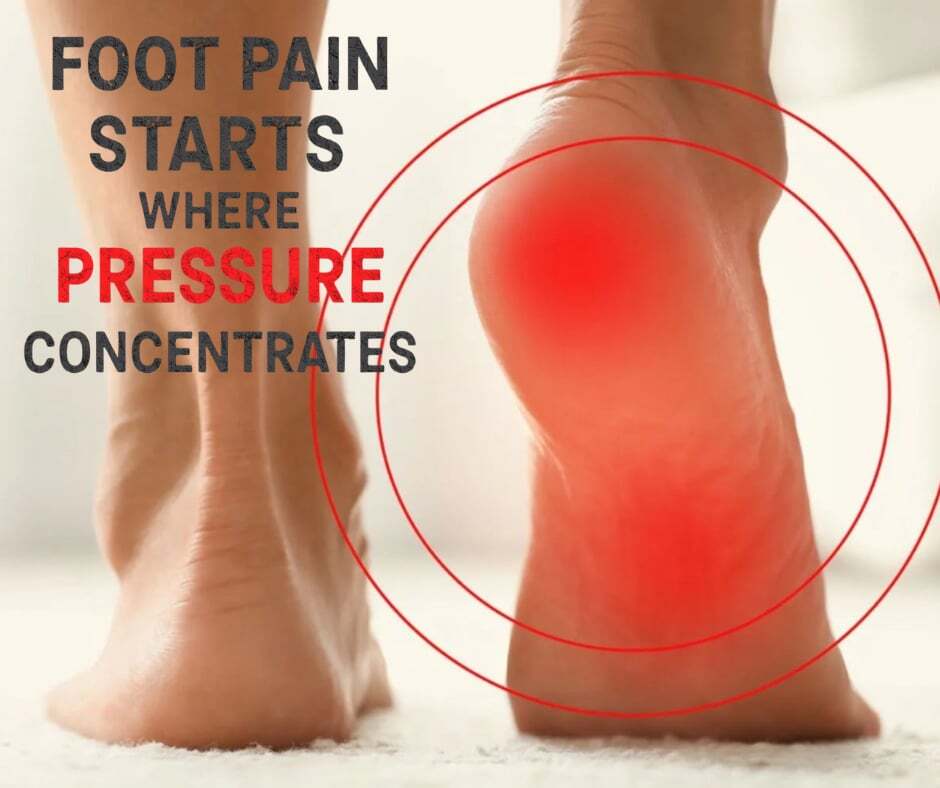
Standing all day should not mean living with foot pain.
Yet for millions of people, it does.
Foot pain after long shifts is common.
It is also misunderstood.
This guide explains why standing hurts, how pressure builds, and what support surfaces actually do to reduce daily strain.

Why Standing Jobs Hurt Your Feet
Standing feels simple.
But it places constant load through your feet.
Without relief, pressure builds.
Fatigue follows.
Pain becomes part of the workday.
Standing Pain Is a Pressure Problem
Standing foot pain is rarely about weak feet.
It is about unrelieved pressure over time.
When pressure does not move, tissue overload occurs.
Pain is the result.
Why Standing All Day Is Harder Than Walking
Walking changes pressure constantly.
Standing does not.
Pressure stays concentrated in the same areas.
Muscles work without rest.
This creates faster fatigue than movement.
How Long Shifts Change Foot Mechanics
During long shifts:
- Muscles tire
- Circulation slows
- Pressure tolerance drops
Small discomfort becomes real pain.
Who Is Most Affected by Standing Foot Pain
Standing pain affects people in many roles:
- Healthcare workers
- Retail staff
- Factory workers
- Tradespeople
- Hospitality workers
Hard floors and long hours increase risk.
Why Hard Floors Make Pain Worse
Concrete and tile do not absorb force.
All impact returns to the body.
Feet absorb shock repeatedly.
Fatigue builds quickly.
The Hidden Cost of Standing Fatigue
Foot pain rarely stays in the feet.
Compensation affects:
- Knees
- Hips
- Lower back
Pain travels upward when the foundation suffers.
Why Cushioned Shoes Are Not Enough
Many workers buy cushioned shoes.
Cushioning helps briefly.
But cushioning compresses under weight.
Once compressed, pressure returns.
Why Soft Mats Help Some People
Anti-fatigue mats add cushioning.
They reduce impact slightly.
But mats alone do not manage foot pressure inside the shoe.
Support must work inside footwear too.
How Pressure Builds During Standing
When standing:
- Pressure enters through the heel
- Transfers to the arch
- Moves into the forefoot
Without movement, pressure concentrates.
Why Pain Appears in Specific Areas
Standing pain often appears in:
- Heels
- Arches
- Balls of the feet
Each area reflects pressure overload.
Heel Pain From Standing Explained
Heel pain often results from repeated heel loading.
Fat pads compress over time.
Irritation develops.
According to Cleveland Clinic, heel pain is common in people who stand for long hours.
Arch Pain and Standing
Arches support body weight.
During prolonged standing, arches work continuously.
Without adequate support, fatigue occurs.
Pain follows.
Forefoot Pain During Long Shifts
Forefoot pain develops when weight shifts forward.
This often happens as muscles tire.
Burning or numbness may appear.
Why Fatigue Is Often the First Warning
Fatigue comes before pain.
It signals tissue overload.
Ignoring fatigue allows pain to develop.
Why Standing Pain Persists Even at Home
Pain does not end when the shift ends.
Inflamed tissue needs recovery time.
Repeated daily overload prevents healing.
Why Rest Alone Is Not Enough
Rest helps temporarily.
But the next shift repeats the same pressure.
Without better support, the cycle continues.
The Role of Insoles for Standing Jobs
Insoles sit between the foot and the floor.
Their role is critical for standing work.
They must:
- Reduce peak pressure
- Support alignment
- Maintain structure under load
Many insoles fail this task.
Why Many Insoles Fail Standing Workers
Most insoles rely on soft foam.
Foam compresses quickly during standing.
Support disappears.
Pressure concentrates again.
Gel Insoles and Standing Fatigue
Gel insoles feel soft at first.
Under constant load, gel spreads outward.
Support decreases.
Fatigue returns.
Rigid Insoles and Standing Discomfort
Rigid insoles control motion.
They often feel uncomfortable during long standing.
Lack of adaptation increases fatigue.
What Standing Workers Actually Need
Standing workers need support that:
- Maintains shape under load
- Adapts to body weight
- Responds to small movements
This reduces fatigue buildup.
Pressure Redirection vs Cushioning
Cushioning absorbs force briefly.
Pressure redirection spreads force.
Spreading force lowers peak stress.
Lower stress means less pain.
Why Pressure Must Move
Standing locks pressure in place.
Support surfaces must encourage subtle movement.
Movement restores circulation.
Introducing a Structural Approach to Support
Some insoles use structure instead of padding.
They focus on maintaining form under load.
This allows pressure to redistribute properly.
How SP1KE™ Insoles Support Standing Work
SP1KE™ insoles use Tips & Mesh technology.
They are developed by Vigurus Technologies Inc..
This system focuses on pressure redirection, not collapse.

Progressive Resistance Explained for Standing
Each SP1KE™ tip narrows at the top.
It widens toward the base.
As load increases, resistance increases.
Support adapts automatically.
Why Progressive Resistance Helps Standing Workers
Light loads receive gentle support.
Heavier loads engage more structure.
Support remains consistent all shift.
Micro-Movement During Standing
Even when standing still, the body moves.
Breathing and balance create small shifts.
SP1KE™ tips respond to these shifts.
This supports circulation.
Why Static Support Increases Fatigue
Static surfaces block natural movement.
Muscles work harder to stabilize.
Fatigue increases faster.
Dynamic response reduces strain.
Blood Flow and Standing Comfort
Restricted blood flow worsens fatigue.
Dynamic contact supports circulation.
Better flow supports endurance.
Breathability and Long Shifts
Heat and moisture increase discomfort.
SP1KE™ insoles remain open under load.
Air flows through the grid.
Feet stay cooler and drier.
Standing Jobs and Long-Term Foot Health
Years of standing without support increase risk.
Chronic pain becomes more likely.
Support helps reduce cumulative stress.
Foot Pain Across Different Industries
Standing pain affects:
- Nurses
- Retail associates
- Line workers
- Trades
Each faces similar pressure challenges.
Aging and Standing Tolerance
With age:
- Fat pads thin
- Shock absorption decreases
Standing becomes harder without support.
What Insoles Can and Cannot Do
Insoles do not cure injury.
They support comfort and load management.
They help reduce daily strain.
Combining Insoles With Workplace Strategies
Best results combine:
- Supportive insoles
- Proper footwear
- Movement breaks
Support works best as part of a system.
Learn the Full Picture of Foot Pain
Standing pain is one part of a larger story.
For a complete overview, read our anchor article:
The Complete Guide to Foot-Related Pain and Insoles
Frequently Asked Questions (FAQ)
Why does standing all day cause foot pain?
Standing keeps pressure in one place for too long.
Are cushioned shoes enough?
Cushioning compresses and loses support.
Can insoles help standing fatigue?
Yes, when they manage pressure effectively.
Do insoles show results immediately?
Some people feel relief quickly.
Others notice gradual improvement.
Are SP1KE™ insoles rigid?
No.
They are responsive and adaptive.