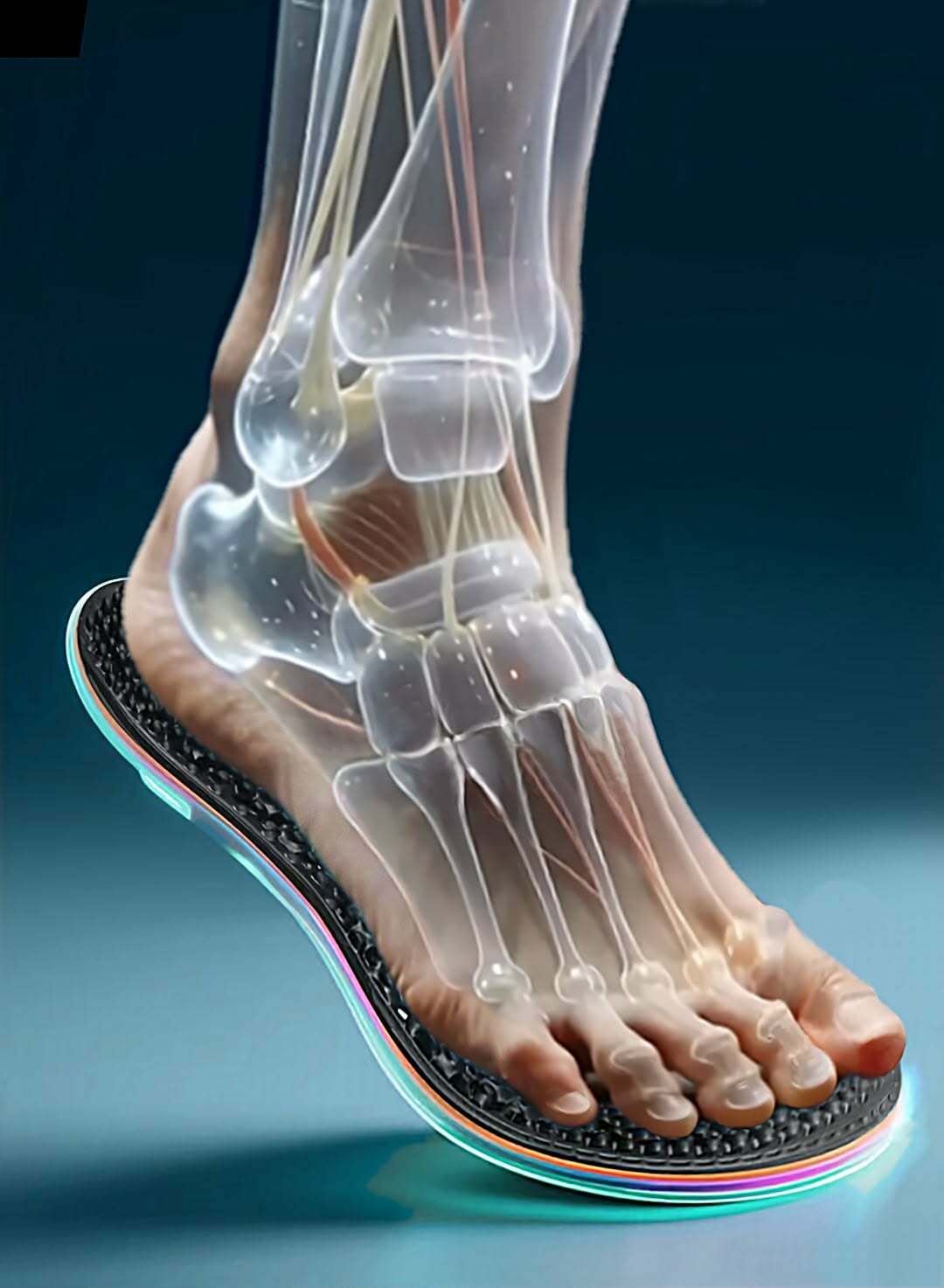
Foot pain is incredibly common.
Yet it is often misunderstood.
Many people believe foot pain means weak feet.
Others assume pain is a normal part of aging.
Both ideas are incorrect.
Foot pain is usually a pressure problem, not a strength problem.
Understanding this changes how pain should be managed.

Why So Many People Misunderstand Foot Pain
Foot pain affects how we walk, work, and rest.
Yet most people never learn why it happens.
Pain is often blamed on poor fitness or weak muscles.
In reality, pressure imbalance is usually the cause.
Foot Pain Is About Load, Not Weakness
Your feet are strong by design.
They are built to carry body weight all day.
Pain happens when pressure is unevenly distributed.
This overloads tissue and leads to discomfort.
Why the “Weak Feet” Myth Persists
The idea of weak feet sounds logical.
Pain often improves with rest.
Exercise sometimes helps.
But pain relief does not prove weakness.
It often proves pressure has changed.
Understanding the Foot’s Job
Your feet perform three main functions:
- Absorb impact
- Adapt to surfaces
- Transfer force during movement
When these functions are disrupted, pain appears.
Basic Foot Anatomy Made Simple
Each foot contains:
- 26 bones
- 33 joints
- Over 100 muscles and connective tissues
The foot works as a flexible structure.
Support should enhance this flexibility.
How Pressure Moves Through the Foot
When standing or walking:
- Pressure enters at the heel
- Moves through the arch
- Exits through the forefoot
Healthy feet spread this pressure evenly.
What Happens When Pressure Becomes Uneven
When pressure concentrates:
- Tissue fatigues faster
- Circulation reduces
- Nerves become irritated
- Pain signals increase
Pain is the result, not the cause.
Why Pain Appears in Different Areas
Foot pain does not appear randomly.
Common pressure-related pain areas include:
- Heel
- Arch
- Ball of the foot
- Toes
Each location reflects how load is being handled.
Heel Pain Explained
Heel pain is extremely common.
It is often linked to excessive pressure at heel strike.
Over time, tissue becomes irritated.
Pain follows.
According to Cleveland Clinic, plantar fasciitis is one of the most common causes of heel pain.
Arch Pain Explained
Arch pain often occurs when pressure passes unevenly through the midfoot.
This may happen with:
- Overpronation
- Poor load transfer
- Inadequate support
Pain increases with prolonged standing.
Ball-of-Foot Pain Explained
Pain under the forefoot is called metatarsalgia.
It is caused by excessive pressure on the metatarsal heads.
Burning or numbness is common.
Toe Pain and Numbness
Toe pain often involves nerve compression.
Numbness is a warning sign.
It means pressure is not being managed well.
Why Standing Makes Foot Pain Worse
Standing concentrates pressure through the feet.
Hard floors increase impact forces.
Without pressure redistribution, fatigue develops quickly.
Why Walking Can Also Trigger Pain
Walking repeatedly loads the same tissues.
If pressure patterns are poor, pain builds with each step.
This explains why pain worsens over time.
Why Shoes Alone Rarely Fix Foot Pain
Shoes protect the foot from the ground.
They do not manage internal pressure well.
Most shoes rely on insoles for support.
If the insole fails, pain persists.
Why Cushioned Shoes Often Disappoint
Soft cushioning absorbs impact briefly.
But cushioning compresses under body weight.
Once compressed, pressure concentrates again.
The Role of Insoles in Pressure Management
Insoles sit between the foot and the shoe.
Their job is to:
- Redistribute pressure
- Support alignment
- Reduce fatigue
Not all insoles do this well.
Why Many Insoles Fail
Most insoles use soft foam or gel.
These materials:
- Compress quickly
- Lose shape
- Create pressure points
Support fades as materials collapse.
Pressure Absorption vs Pressure Redirection
Absorbing pressure means soaking it up.
Redirecting pressure means spreading it out.
Redirection reduces peak stress.
Absorption often fails under load.
Why Pressure Redirection Matters
Lower peak pressure means:
- Less tissue strain
- Better circulation
- Reduced nerve irritation
Pain becomes less likely.
Why Weakness Is Rarely the Root Cause
Feet are naturally strong.
Pain does not mean failure.
It means overload.
Reducing overload often reduces pain.
How Better Support Changes Pressure
Support changes how load moves.
Instead of pushing down in one area, pressure spreads laterally.
This protects sensitive tissues.
Introducing a Structural Approach to Support
Some insoles focus on structure, not softness.
They aim to maintain shape under load.
This allows pressure to redistribute properly.
How SP1KE™ Insoles Approach Pressure
SP1KE™ insoles use Tips & Mesh technology.
They are developed by Vigurus Technologies Inc..
This design focuses on pressure redirection, not compression.

Progressive Resistance Explained Simply
Each SP1KE™ tip is smaller at the top.
It widens toward the base.
As load increases, resistance increases.
Support adapts automatically.
Why Progressive Resistance Helps
Light loads receive gentle support.
Heavier loads engage more structure.
This prevents collapse and maintains pressure distribution.
Micro-Movement and Comfort
Feet constantly make tiny movements.
SP1KE™ tips respond to these movements.
This supports circulation and sensory feedback.
Why Static Support Increases Fatigue
Static surfaces lock the foot in place.
Muscles fatigue faster.
Dynamic response allows natural adjustment.
Blood Flow and Foot Comfort
Restricted blood flow increases discomfort.
Dynamic pressure helps maintain circulation.
This supports longer comfort during standing or walking.
Breathability and Skin Comfort
Heat and moisture increase friction.
SP1KE™ insoles remain open under load.
Airflow helps keep feet cooler and drier.
Who Benefits Most From Pressure-Based Support
Pressure-based support helps people who:
- Stand for long hours
- Walk extensively
- Experience recurring foot pain
- Work on hard surfaces
These conditions increase load stress.
Foot Pain Across Different Life Stages
Foot pain is not limited to older adults.
It affects:
- Workers
- Athletes
- Travelers
- Active adults
Pressure problems can affect anyone.
Why Aging Changes Pressure Tolerance
Fat pads thin with age.
Shock absorption decreases.
Pressure management becomes more important over time.
What Insoles Can and Cannot Do
Insoles do not cure disease.
They help manage pressure.
They support comfort and daily function.
How This Fits Into the Bigger Picture
Understanding pressure explains many pain patterns.
For a full overview, read our anchor article:
The Complete Guide to Foot-Related Pain and Insoles
Frequently Asked Questions (FAQ)
Is foot pain caused by weak feet?
Usually no.
It is often caused by pressure imbalance.
Why does foot pain worsen with standing?
Standing increases pressure without relief.
Can insoles really help foot pain?
Yes, when they manage pressure effectively.
Are soft insoles better?
Soft does not always mean supportive.
Does pressure change over time?
Yes.
Activity and fatigue affect pressure patterns.