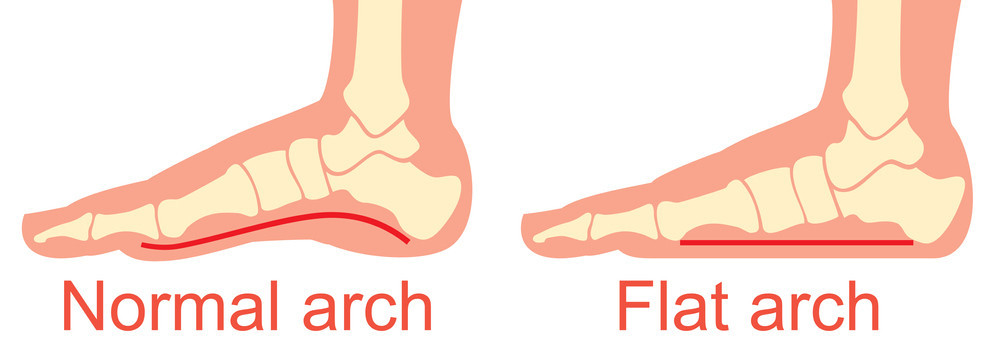
Flat feet are common.
Yet many people do not understand how they affect comfort.
Some people have flat feet without pain.
Others experience fatigue, heel pain, or arch discomfort.
The right insole can help manage pressure.
But not all insoles work the same way.
This guide explains flat feet clearly.
It also explains what to look for in supportive insoles.
What Are Flat Feet?
Flat feet occur when the arch of the foot collapses or sits very low.
When standing, most of the sole touches the ground.
This condition is also called fallen arches.
Flat feet may be:
- Flexible
- Rigid
Flexible flat feet show an arch when not bearing weight.
Rigid flat feet do not.
According to the Cleveland Clinic, flat feet are common and often painless.
Pain usually develops when pressure patterns change.
How Flat Feet Affect Pressure
The arch acts like a natural shock absorber.
When the arch flattens:
- Weight shifts inward
- Ankles roll slightly
- Pressure concentrates in certain areas
This inward rolling is called overpronation.
Overpronation changes how load travels through the body.
Why Flat Feet Sometimes Cause Pain
Flat feet do not always cause discomfort.
Pain often occurs when:
- Standing for long hours
- Walking long distances
- Wearing unsupportive shoes
The problem is usually uneven pressure.
Pain may appear in:
- Heels
- Arches
- Ankles
- Knees
Symptoms of Flat Feet
Common symptoms include:
- Foot fatigue
- Arch strain
- Heel soreness
- Swelling along the inside ankle
Some people also experience lower back discomfort.
Flat Feet and Standing Jobs
Flat feet often feel worse during long shifts.
Standing increases load without relief.
If you work on hard floors, discomfort may increase.
For deeper insight, read:
Standing All Day With Foot Pain
Understanding pressure patterns is key.
Do Flat Feet Mean Weak Feet?
Not necessarily.
Many people with flat feet have strong muscles.
Pain often results from load imbalance.
The focus should be on pressure management.
What Do Insoles Do for Flat Feet?
Insoles sit between your foot and your shoe.
Their purpose is to:
- Redistribute pressure
- Support alignment
- Reduce fatigue
They do not “cure” flat feet.
They help manage mechanical stress.
What to Look for in Insoles for Flat Feet
Arch Support That Maintains Structure
Support must resist compression.
Soft foam may flatten quickly.
Structure matters.
Pressure Redistribution
Good insoles spread force laterally.
This reduces peak stress under the heel and forefoot.
Stability Without Rigidity
Too rigid can feel uncomfortable.
Too soft collapses.
Balanced support adapts to weight.
Why Many Insoles Fail Flat Feet
Common insoles use foam or gel.
These materials:
- Compress under load
- Lose shape
- Concentrate pressure
Support fades over time.
This may worsen fatigue.
Structural Insoles for Flat Feet
Some insoles use engineered designs.
They focus on maintaining shape under load.
SP1KE™ insoles use a dynamic Tips & Mesh structure.
They are developed by Vigurus Technologies Inc..
This structure redistributes pressure instead of collapsing.
How SP1KE™ Insoles Help Flat Feet
SP1KE™ insoles do not rely on soft padding.
Each tip narrows at the top and widens toward the base.
This creates progressive resistance.
As load increases, support increases.
This may help:
- Reduce heel strain
- Decrease arch fatigue
- Improve standing comfort
Learn about our design approach
Flat Feet and Heel Pain
Heel pain is common with flat feet.
When arches collapse, heel load increases.
Repeated pressure irritates tissue.
Redistributing pressure may reduce this stress.
Flat Feet and Knee Alignment
Overpronation shifts ankle alignment.
This may influence knee tracking.
While insoles cannot correct anatomy, they may support improved alignment under load.
When to Consider Insoles
Consider insoles if you experience:
- Daily foot fatigue
- Heel soreness
- Discomfort after work
- Arch tenderness
Support may help reduce mechanical strain.
Flat Feet and Exercise
Some people avoid exercise due to discomfort.
Supportive insoles may improve comfort during walking or gym activity.
They do not replace strengthening programs.
Footwear Matters Too
Shoes should:
- Provide adequate width
- Offer stable heel support
- Allow insole replacement
Worn-out shoes reduce support.
Flat Feet and Ageing
As we age:
- Fat pads thin
- Tissue elasticity decreases
Pressure tolerance drops.
Support becomes more important.
When to See a Professional
Seek medical advice if you experience:
- Severe swelling
- Sudden pain
- Numbness
- Instability
Insoles are support tools, not medical treatments.
Frequently Asked Questions
Do insoles fix flat feet?
No. They help manage pressure and comfort.
Are flat feet bad?
Not always. Many people have flat feet without pain.
Should flat feet use rigid orthotics?
It depends on comfort and condition.
Can flat feet cause knee pain?
Overpronation may influence alignment under load.
How long before insoles feel effective?
Some people notice improvement quickly. Others adjust gradually.
Final Thoughts
Flat feet are common.
Pain usually comes from pressure imbalance, not weakness.
Supportive insoles may help redistribute load and reduce fatigue.
If flat feet affect your comfort, understanding how pressure moves through your feet is a meaningful first step.