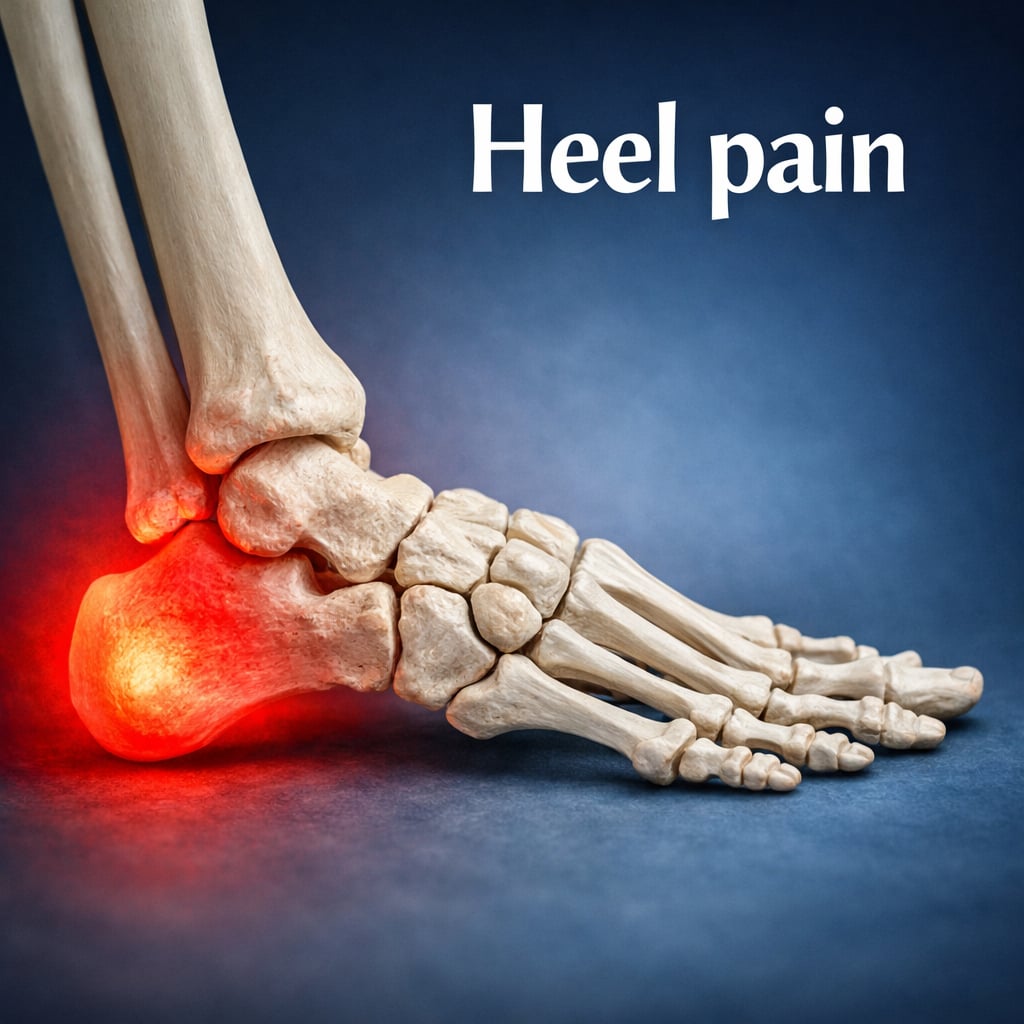
Standing all day changes how your feet feel.
Long shifts can turn mild fatigue into real pain.
If you work on hard floors, pressure builds slowly.
By the end of the day, your heels and forefoot feel it.
Choosing the right insole matters more than most people think.
This guide reviews the best insoles for standing all day in 2026.
It also explains what actually makes an insole effective.
Why Standing All Day Causes Foot Pain
Standing keeps pressure in one place.
Walking allows pressure to shift.
When you stand:
- Muscles work continuously
- Blood flow slows
- Tissue tolerance drops
Pain develops when pressure remains concentrated.
Hard surfaces like concrete increase impact force.
Shoes alone rarely solve this problem.
For a deeper explanation of standing-related pain, read:
Standing All Day With Foot Pain
What to Look for in Insoles for Standing Jobs
Before listing products, it is important to understand what matters.
Pressure Redistribution
Soft cushioning feels good at first.
But it often compresses quickly.
Support must maintain structure under load.
Durability
Standing workers need insoles that do not collapse after weeks.
Materials must resist compression fatigue.
Stability Without Rigidity
Too soft collapses.
Too rigid increases fatigue.
Balanced support adapts to body weight.
Breathability
Heat and moisture increase discomfort.
Open structures improve airflow.
Top Insoles for Standing All Day in 2026
1️⃣ Vigurus SP1KE™ Insoles (Top Structural Support Choice)
If you stand for long shifts, pressure management is critical.
Vigurus SP1KE™ insoles use a dynamic Tips & Mesh structure.
They are developed by Vigurus Technologies Inc..
Unlike foam or gel, SP1KE™ does not collapse under load.
Why SP1KE™ Insoles Work for Standing
- Progressive resistance adapts to weight
- Open grid maintains airflow
- Pressure redirects laterally
- Structure prevents bottoming out
This reduces peak stress under:
- Heels
- Arches
- Forefoot
They are especially helpful for:
- Nurses
- Retail workers
- Tradespeople
- Factory workers
SP1KE™ focuses on mechanical load management.
That matters for long standing shifts.
Learn more here →
Product Page
About Us
Complete Guide to Foot Pain
2️⃣ Stepprs Insoles
Stepprs Insoles focus on supportive design for everyday wear.
They emphasize alignment and posture support.
Pros
- Supportive shape
- Lightweight
- Everyday comfort focus
Considerations
- May feel firm for some users
- Designed more for walking than long static standing
Stepprs can work well for general daily support.
Standing workers should assess durability over time.
Learn more here →
https://stepprs.com/
3️⃣ SOLE Insoles
SOLE Insoles use heat-moldable footbeds.
They focus on arch customization.
Pros
- Custom molding
- Cork and foam blends
- Arch support focus
Considerations
- Foam layers may compress over extended heavy standing
- Heat molding required
SOLE insoles can work for users needing custom arch shaping.
Learn more here →
https://yoursole.com/ca
4️⃣ Dr. Scholl’s Insoles
Dr. Scholl’s offers widely available insoles.
They focus on cushioning and affordability.
Pros
- Easy to find
- Affordable
- Multiple options
Considerations
- Foam and gel can compress quickly
- May not provide long-term structural support
These insoles may help short-term fatigue.
They may need replacement more often.
Learn more here →
https://www.drscholls.ca/en/
Foam vs Gel vs Structural Insoles
Understanding materials helps explain differences.
Foam
- Soft initially
- Compresses under weight
- Loses shape
Gel
- Cushioned feel
- Spreads under load
- Reduced support over time
Structural Mesh (SP1KE™)
- Maintains shape
- Redistributes pressure
- Adapts to weight
For standing all day, durability matters.
Which Insoles Are Best for Specific Jobs?
Healthcare Workers
Long hospital shifts increase heel fatigue.
Pressure redistribution is critical.
SP1KE™ performs well due to airflow and structural support.
Retail Workers
Retail staff stand on tile or concrete.
Support must resist compression.
Durable structural insoles reduce repeated stress.
Construction and Trades
Work boots add weight.
Insoles must handle heavy load.
Progressive resistance helps manage pressure.
Office Workers Who Stand at Desks
Standing desks shift load but do not eliminate pressure.
Balanced support improves endurance.
Do Insoles Replace Anti-Fatigue Mats?
No.
Mats reduce surface impact.
Insoles manage internal pressure inside the shoe.
Layering both may improve comfort.
When Insoles Alone Are Not Enough
If standing pain continues, consider:
- Movement breaks
- Footwear assessment
- Pressure distribution analysis
Insoles are part of a larger strategy.
Final Thoughts
Standing all day places constant pressure on your feet.
The best insoles for 2026 focus on pressure redistribution, durability, and airflow.
Choosing structure over softness may improve long-term comfort.
If you stand for work, understanding how pressure moves through your feet is a practical first step.
Frequently Asked Questions
What are the best insoles for standing all day?
Insoles that maintain structure and redistribute pressure perform best.
Are soft insoles better?
Soft insoles feel comfortable but may compress quickly.
How long do insoles last?
It depends on material and body weight.
Can insoles reduce heel pain?
They may reduce pressure-related discomfort.
Do insoles fix foot problems?
They support load management but are not medical treatments.