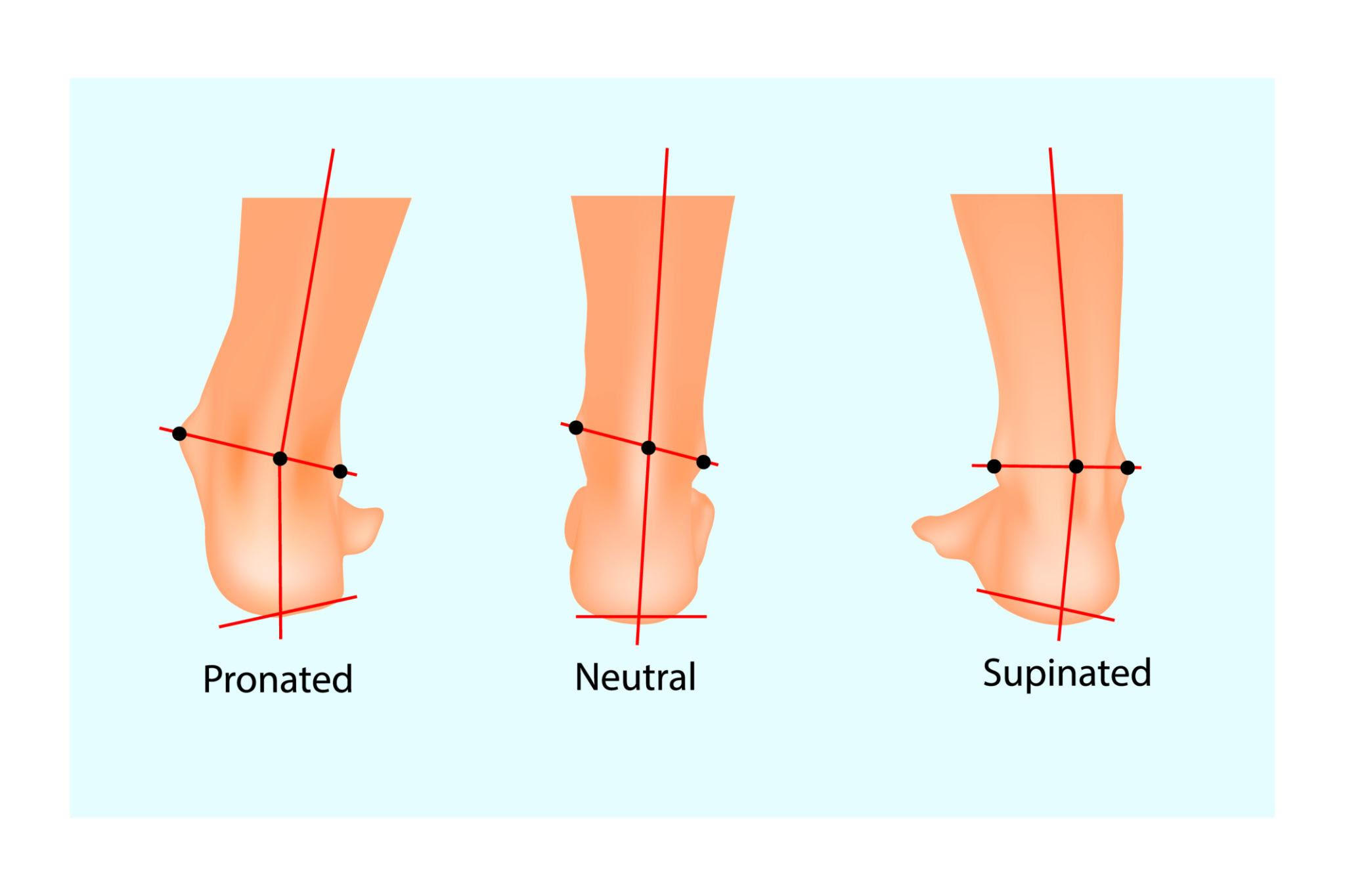
Overpronation is common.
Many people do not realize they have it.
If your ankles roll inward when you walk, you may be overpronating.
This movement changes how pressure moves through your feet.
Over time, uneven pressure can lead to discomfort.
The right insoles can help manage that load.
This guide explains overpronation clearly.
It also explains which insoles work best in 2026.
What Is Overpronation?
Pronation is the natural inward roll of the foot when walking.
It helps absorb shock.
Overpronation occurs when that roll becomes excessive.
This shifts body weight toward the inner side of the foot.
According to the Cleveland Clinic, pronation is normal, but excessive inward rolling can contribute to discomfort.
Overpronation changes pressure patterns.
How Overpronation Affects the Body
When the foot rolls inward too much:
- The arch lowers
- The ankle tilts inward
- The knee may rotate slightly
This can influence alignment higher in the body.
Pain may appear in:
- Heels
- Arches
- Ankles
- Knees
Signs You May Be Overpronating
Common signs include:
- Shoes wearing down on the inner edge
- Arch fatigue
- Heel soreness
- Ankles rolling inward
Some people notice discomfort after long shifts.
If standing all day worsens symptoms, read:
Standing All Day With Foot Pain
Why Overpronation Causes Foot Pain
Pain usually comes from pressure imbalance.
Overpronation concentrates load on the inner foot.
Tissue fatigue builds.
Over time, inflammation may occur.
Pain is the result of repeated stress.
Overpronation and Flat Feet
Many people with flat feet overpronate.
However, not all flat feet are painful.
Pain often depends on load and activity level.
Managing pressure is key.
What to Look for in Insoles for Overpronation
Not all insoles help overpronation.
Some collapse under body weight.
Effective insoles should provide:
- Structural arch support
- Pressure redistribution
- Stability without rigidity
Soft foam alone is usually insufficient.
Structural Arch Support
Support should maintain shape under load.
If the insole flattens, the arch receives no support.
Structure matters more than softness.
Lateral Pressure Redistribution
Overpronation shifts weight inward.
Insoles should redirect pressure laterally.
This reduces stress on the inner arch.
Progressive Resistance
Support should adapt to body weight.
Heavier load should engage more structure.
Light load should feel responsive.
Best Insoles for Overpronation in 2026
1️⃣ Vigurus SP1KE™ Insoles
SP1KE™ insoles use a dynamic Tips & Mesh structure.
They are developed by Vigurus Technologies Inc..
Unlike foam, they maintain structure under load.
Each tip narrows at the top and widens toward the base.
This creates progressive resistance.
Why SP1KE™ Works for Overpronation
- Maintains arch structure
- Redistributes pressure
- Reduces inward collapse
- Supports long standing shifts
The open grid design also improves airflow.
Learn more – Open Grid Cushions: The Science, Engineering, and Future of Advanced Support Surfaces
SP1KE™ focuses on mechanical load management.
2️⃣ Molded Arch Insoles
Heat-moldable insoles shape to your arch.
They may provide custom support.
However, foam layers may compress over time.
Durability varies by brand.
3️⃣ Rigid Orthotic Inserts
Rigid inserts limit inward rolling.
They can provide strong correction.
Some users find them uncomfortable for long shifts.
Comfort and adaptation matter.
Foam vs Structural Insoles for Overpronation
Foam:
- Soft initially
- Compresses quickly
- May worsen inward collapse
Structural support:
- Maintains form
- Redistributes pressure
- Improves long-term durability
For daily work, durability is essential.
Overpronation and Standing Jobs
Standing increases inward pressure.
Hard floors amplify fatigue.
Workers often notice pain by the end of the day.
Supportive insoles may help reduce repeated strain.
For broader understanding, read:
Our Complete Guide to Foot Pain
Understanding pressure helps clarify overpronation discomfort.
Can Insoles Fix Overpronation?
Insoles do not change bone structure.
They help manage pressure and alignment under load.
They are support tools, not cures.
When to Consider Insoles
Consider insoles if you experience:
- Arch fatigue
- Inner ankle soreness
- Heel pain
- Knee discomfort after standing
Support should feel stable but not rigid.
When to Seek Medical Advice
Seek professional care if you experience:
- Severe swelling
- Sharp pain
- Instability
- Sudden changes in gait
Insoles support comfort but do not replace medical diagnosis.
Frequently Asked Questions
What are the best insoles for overpronation?
Insoles that maintain structure and redistribute pressure.
Do soft insoles help overpronation?
They may feel comfortable but often collapse.
How long do supportive insoles last?
Durability depends on materials and usage.
Can overpronation cause knee pain?
Yes. Alignment changes may influence knee stress.
Should I wear insoles daily?
Consistency may improve load management.
Final Thoughts
Overpronation shifts pressure inward.
Pain usually results from repeated load.
The best insoles for overpronation in 2026 focus on structure, durability, and pressure redistribution.
Understanding how your feet manage load is an important step toward daily comfort.