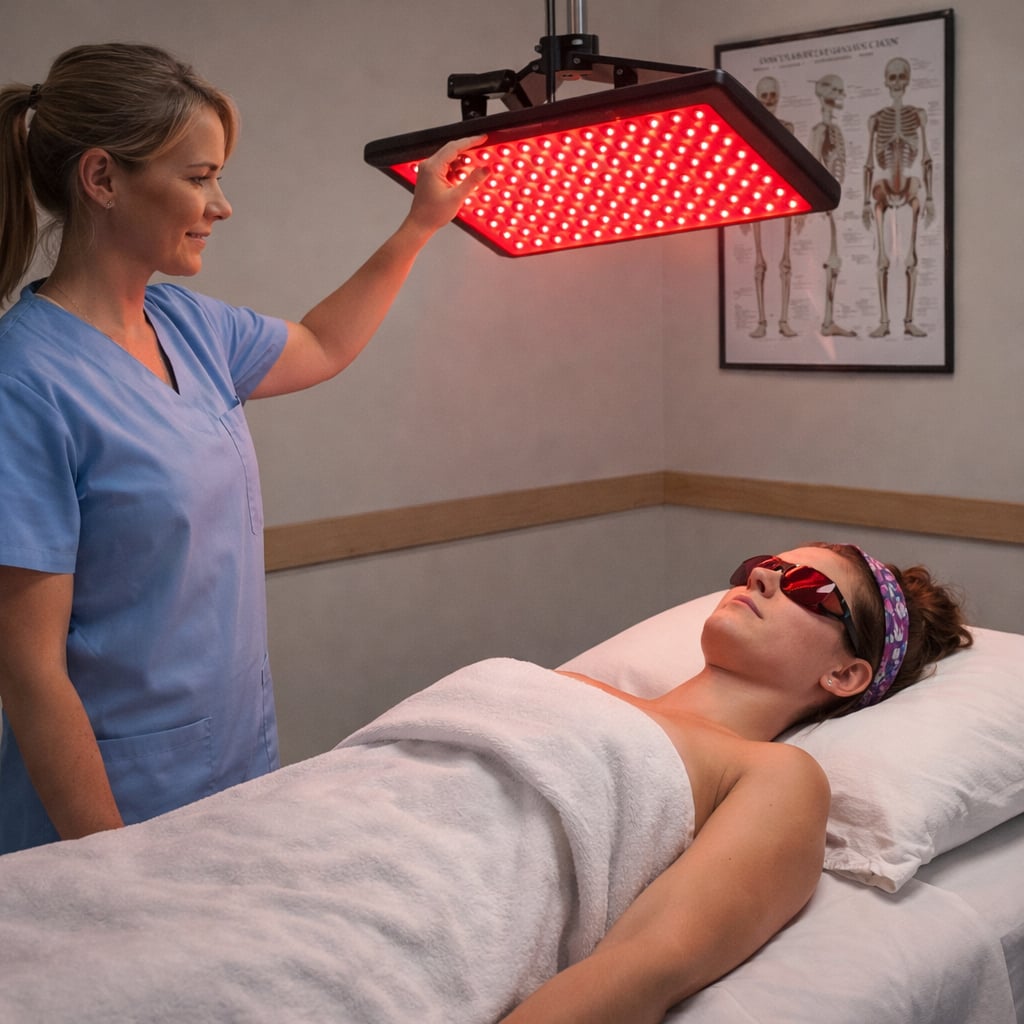
Red light therapy has become widely used in 2026.
But many people wonder what to use alongside it.
Red light therapy supports cellular processes.
Other tools support circulation, pressure management, and recovery.
This guide explains five products most often paired with red light therapy.
Each plays a different role in overall comfort and recovery.
Why Combine Products With Red Light Therapy?
Red light therapy focuses on light exposure.
It may support cellular activity and mild inflammation response.
However, recovery often involves multiple factors.
These include:
- Mechanical load
- Circulation
- Muscle tension
- Pressure distribution
Using complementary tools may enhance comfort.
Product #1: Supportive Insoles for Pressure Redistribution
Red light therapy may support tissue recovery.
But it does not change how pressure moves through your body.
If foot pain or fatigue is caused by uneven load, pressure must be managed.
Supportive insoles help redistribute force during walking or standing.
This reduces repeated mechanical stress.
Why Insoles Are Often Paired With Red Light Therapy
People commonly use red light therapy for:
- Heel discomfort
- Arch strain
- Forefoot irritation
Many of these issues involve pressure overload.
Insoles address mechanical stress while light therapy addresses biological response.
SP1KE™ insoles use a dynamic Tips & Mesh structure.
They are developed by Vigurus Technologies Inc..
This structure helps redirect pressure laterally instead of allowing collapse.
Product #2: Compression Garments
Compression garments are widely used with red light therapy.
They support circulation and fluid movement.
Common compression products include:
- Socks
- Sleeves
- Leggings
Compression may assist venous return.
Improved circulation supports recovery.
According to the Cleveland Clinic, compression can support circulation when used properly.
Compression and red light therapy serve different roles.
One influences circulation mechanically.
The other may influence cellular processes.
Product #3: Foam Rollers and Myofascial Tools
Foam rollers are popular recovery tools.
They apply controlled pressure to muscles and fascia.
Many users perform rolling before or after red light sessions.
Foam rolling may help:
- Improve mobility
- Reduce muscle tightness
- Increase blood flow
Red light therapy may complement this by supporting tissue response.
Foam rollers address tension.
Light therapy addresses cellular stimulation.
Product #4: Anti-Fatigue Mats for Standing
Standing pain often results from static pressure.
Red light therapy may help manage mild inflammation.
But it does not change standing surface impact.
Anti-fatigue mats add cushioning underfoot.
They reduce impact during long shifts.
However, mats alone may not redistribute pressure inside footwear.
Pairing mats with supportive insoles may provide better load management.
This layered approach addresses both surface and internal pressure.
Product #5: Cold Therapy or Contrast Therapy Tools
Cold therapy tools are often used with red light therapy.
Cold exposure may reduce acute inflammation.
Contrast therapy alternates heat and cold.
These tools are used for:
- Muscle recovery
- Joint discomfort
- Swelling management
Red light therapy is sometimes used between contrast sessions.
Each tool has a distinct purpose.
Why Recovery Requires Multiple Approaches
No single tool addresses every cause of discomfort.
Recovery often requires:
- Biological support
- Mechanical support
- Circulation support
- Movement support
Understanding which factor is involved helps guide product choice.
Red Light Therapy and Mechanical Load
Red light therapy may influence inflammation and cellular energy.
It does not redistribute body weight.
If pain is caused by repeated pressure, that pressure must change.
Support surfaces help address mechanical load.
Combining Biological and Mechanical Strategies
Biological recovery supports tissue health.
Mechanical recovery reduces ongoing stress.
Using both strategies may support better long-term comfort.
This approach is common among athletes and workers.
Red Light Therapy for Foot and Heel Discomfort
Many people use red light therapy for heel discomfort.
Heel pain often involves:
- Inflammation
- Pressure overload
- Fat pad compression
Light therapy may support inflammation management.
Supportive insoles reduce pressure repetition.
Together, they address two parts of the problem.
Red Light Therapy for Standing Workers
Standing workers often experience:
- Heel fatigue
- Arch strain
- Forefoot discomfort
Light therapy may support tissue recovery after work.
Support surfaces reduce load during work.
This dual strategy is practical and realistic.
Safety and Practical Considerations
When combining tools:
- Follow manufacturer instructions
- Avoid excessive exposure
- Introduce one variable at a time
Consistency matters more than intensity.
When Red Light Therapy Alone May Be Enough
For mild skin concerns, red light therapy alone may be sufficient.
For pressure-related pain, additional support is often needed.
Understanding the root cause is key.
Understanding the Bigger Picture
For a comprehensive overview of red light therapy in 2026, read:
Everything You Need to Know About Red Light Therapy in 2026
For deeper understanding of foot-related pressure and support:
The Complete Guide to Foot-Related Pain and Insoles
Frequently Asked Questions
Can I use red light therapy with other recovery tools?
Yes. Many people combine it with mechanical support tools.
Do insoles enhance red light therapy results?
Insoles address mechanical stress.
Light therapy addresses cellular processes.
Is compression safe with red light therapy?
Generally yes, but follow product guidelines.
Should I use all products at once?
Start gradually and assess comfort.
Does red light therapy replace support surfaces?
No. It does not change pressure distribution.